From Palm Leaves to Smartphones
There are languages we speak, languages we write, and then there are languages that carry the memory of a civilization, Odia is one such language. Spoken for centuries in Odisha and beyond, Odia is more than a means of communication. It is a living archive of poetry, devotion, folklore, history, music, and everyday life. In 2014, the Government of India recognized Odia as a Classical Language of India, acknowledging its ancient literary tradition and historical significance.
A Language Rooted in History
The story of Odia reaches deep into the history of eastern India. Over centuries, it evolved through different stages while developing a distinctive identity of its own. Its literature grew alongside the cultural and religious traditions of Odisha, creating a remarkable body of poetry and prose.
One of the most celebrated figures in Odia literary history is ‘Sarala Das’ whose ‘Sarala Mahabharata’ brought the great Indian epic into the language and cultural world of Odisha. Later, poets such as Jagannath Das, Balaram Das, Achyutananda Das, and others enriched Odia literature with devotional and philosophical works.
The language found a particularly powerful expression through the Bhakti tradition, connecting spirituality with the lives and emotions of ordinary people.
The Language of Jagannath
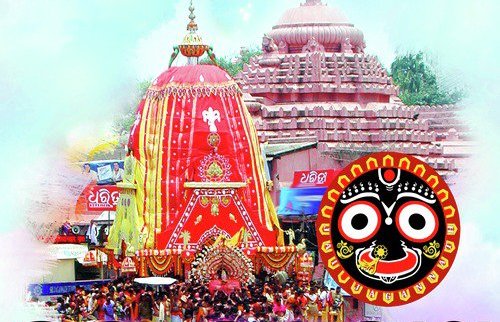
To understand Odia culture, one cannot look far from ‘Lord Jagannath’. The spiritual world surrounding the Jagannath tradition has deeply influenced Odia language and literature. From devotional poetry to songs, stories, and rituals, Odia has been a vessel through which generations have expressed their relationship with the divine.
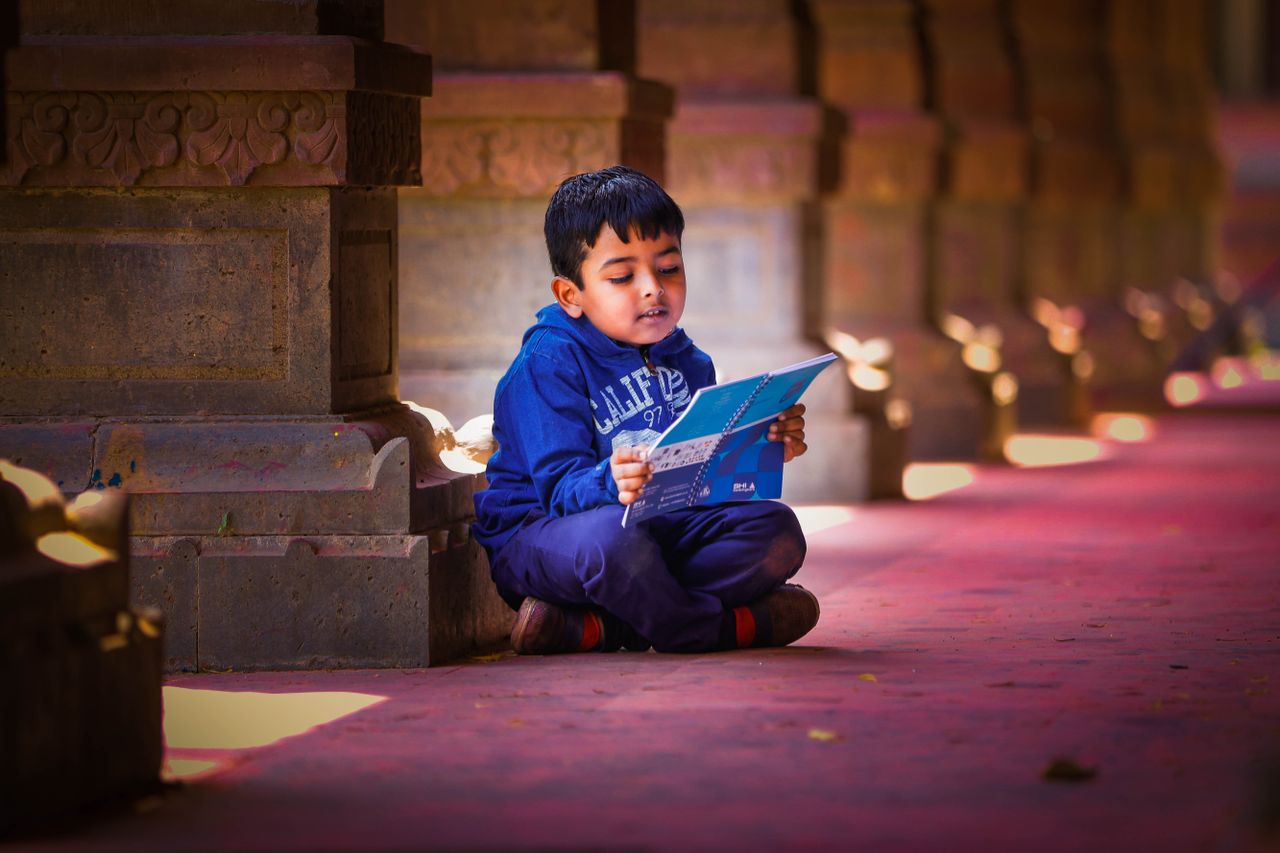
In the place of Odisha, in village courtyards, during festivals, and in the voices of grandparents telling stories to children, the language continues to live not merely in books, but in people’s daily lives.
Why Being “Classical” Matters
Being recognized as a classical language is not simply a title. It is an acknowledgement of a language’s deep historical roots and its independent literary heritage. Odia’s classical status reminds us that India’s linguistic diversity is extraordinarily old and rich. India is not home to just one literary tradition. It is a mosaic of languages, each carrying its own stories and worldview.
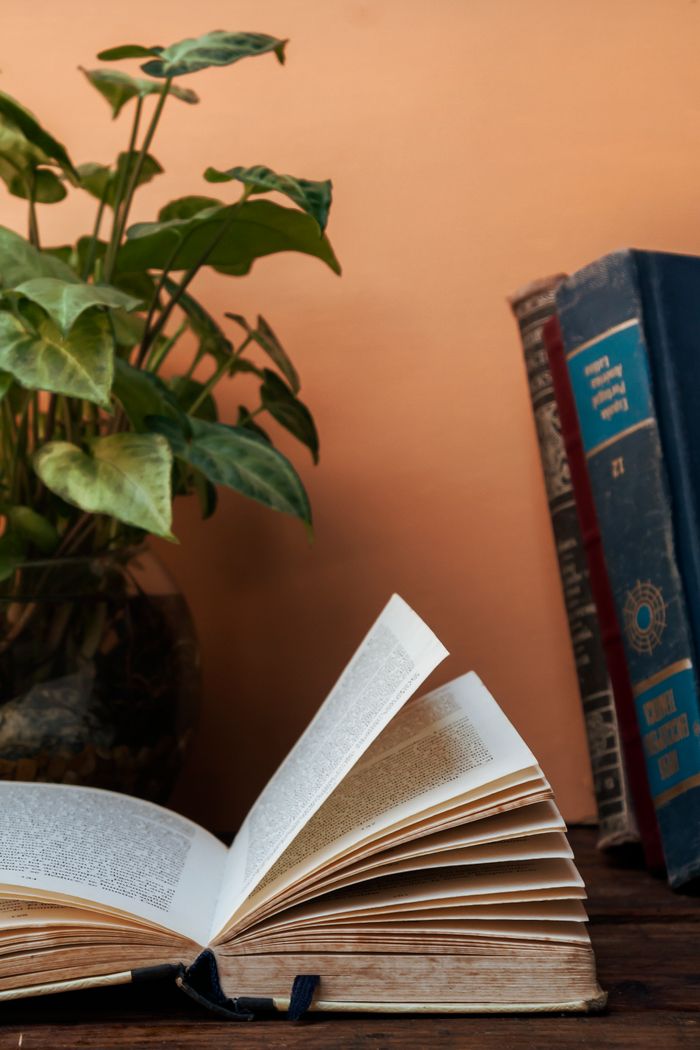
Odia’s journey from ancient inscriptions and manuscripts to newspapers, cinema, literature, social media, and digital communication shows how a language can preserve its heritage while continuing to evolve.
From Palm Leaves to Smartphones
Perhaps the most beautiful part of Odia’s story is that it has never remained frozen in the past. Once written on palm leaf manuscripts, Odia literature now travels through smartphones and computers.